The latest controversy in Anisky was caused by this perfectly true Zero Utopia tweet which a lot of people took umbrage with for some reason:
Genuinely impossible to make people understand how much most the United States in the 90s hated and looked down on anime if they didn’t live through it.
A common reaction was yo say this couldn’t be true because anime became popular in the nineties, like Zack Davisson here
This is bullshit.
Dragonball, Sailor Moon, and Pokemon were ridiculously popular in the 90s.
There was never a time in the US when people “hated and looked down on anime.” At the most, there was a time when people were “unaware of anime.”
The other common response was to downplay it as just bullies being bullies as James Beckett e.g. argued
The U.S. didn’t “hate” anime in the 90s. People these days tend to conflate (or confuse) “broad teasing of foreign cultures and nerd hobbies” for “hatred.”
As for the nerds and bullies that may have gotten weird or douchey about it…I mean, what do you expect? That’s what nerds and bullies do.
What this misses is that bullies (as well as South Park mentioned later) take their cues from the larger culture they’re swimming in. And Japan was the number one target of American xenophobia for most of the twentieth century. The anime backlash of the nineties, when anime first truly went mainstream with Pokemon was very real and very much an offshoot of that much older xenophobia. Just like the slightly later backlash in the early 2000s against Japanese videogames, especially JRPGGs (the X-Box first being called “project Midway” frex).
Japan after all was America’s primary rival for supremacy in the Pacific and East Asia from roughly 1905 until its defeat in World War II. Japan was feared and mistrusted not just for its military strength and rapid climb from insular hermit state incapable of defending itself into a Great Power threatening the US’s position in China and elsewhere. A far greater fear was that Japan would infiltrate and subvert the country itself, by way of the many Japanese migrants who moved to the US in the late nineteenth and twentieth century. A fear so powerful even the great liberal president Roosevelt ended up putting American citizens in concentration camps for the duration of the war. (For a victim’s testimony of this awful proces, see Citizen 13660, a graphic novel written by a survivor in 1946).
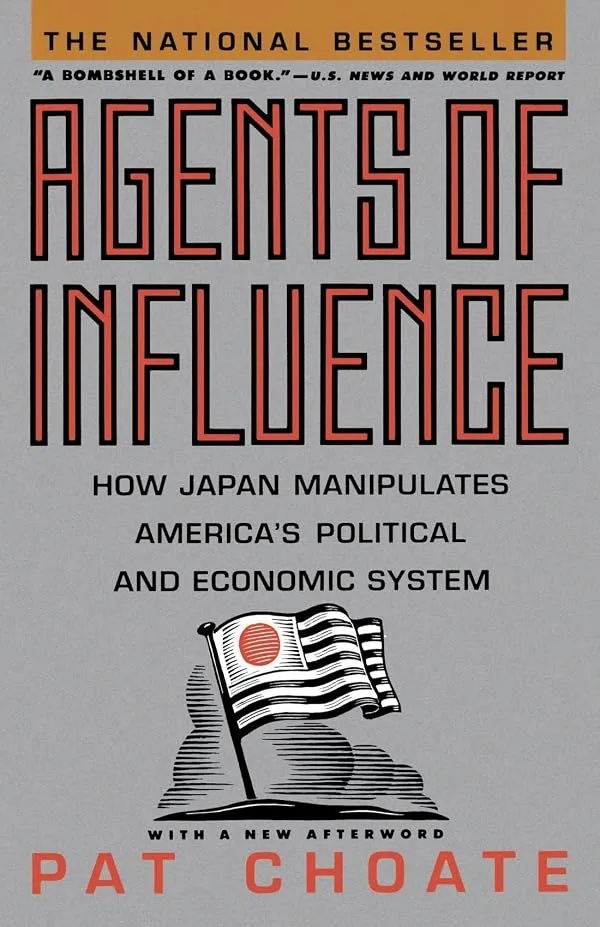
Postwar, Japan subjugated and occupied this fear slowly disappeared, but the xenophobic attitude didn’t disappear. World War II and especially Pearl Harbour gave new reasons to mistrust Japan and a lot of americans would hold that grudge into the twentyfirst century. Meanwhile Japan’s economic resurgence from the sixties and America’s industrial decline from the early seventies on saw this xenophobia re-ignite again. Once again Japan was seen as infiltrating and taking over America, now using economic warfare.
By the eighties American economic anxiety was so great you got Chrysler CEO Lee Iacocca talking about Japan’s “teflon kimono” that needed taking off and books like this happily resurrecting pre-WWII infiltration conspiracies. Japan’s econmic stagnation since the mid-nineties has driven much of it underground again, with China replacing Japan as the new bogeyman, but it was still very much present in the nineties when anime broke through, slotting perfectly in with the preconcieved notions of Japan as weird and dangerous.
Zack is right that series like Dragonball and Pokemon were incredibly popular, but they were popular among kids (and maybe but not necessairly the older cohort of already existing anime fans). As Elvis Presley proved some fory years earlier, what’s popular with kids and teens may very well lead to a backlash under their parents and authority figures. So it went with anime too. Parents hated Pokemon, certain churches declared it “satanic” (like everything they didn’t understand) and even in nerd circles anime was tolerated at best. True acceptance of anime only happened this century.
No Comments