New year, new season and with the latest Precure having debuted it’s the perfect time to list what I’m watching week to week this season. This won’t be all the anime I’ll watch from this season, just the ones I want to watch week by week. There are a bunch of others I want to watch, but not want to watch right now if you see what I mean. A lot of series I tend to like more binge watching them, while series I watch weekly are either mindless entertainment or the ones I can’t bring up the patience to wait for. The list below is listed in that order, inspired by how blogsuki does its season reviews.
Genjitsu Shugi Yuusha no Oukoku Saikenki (2022)
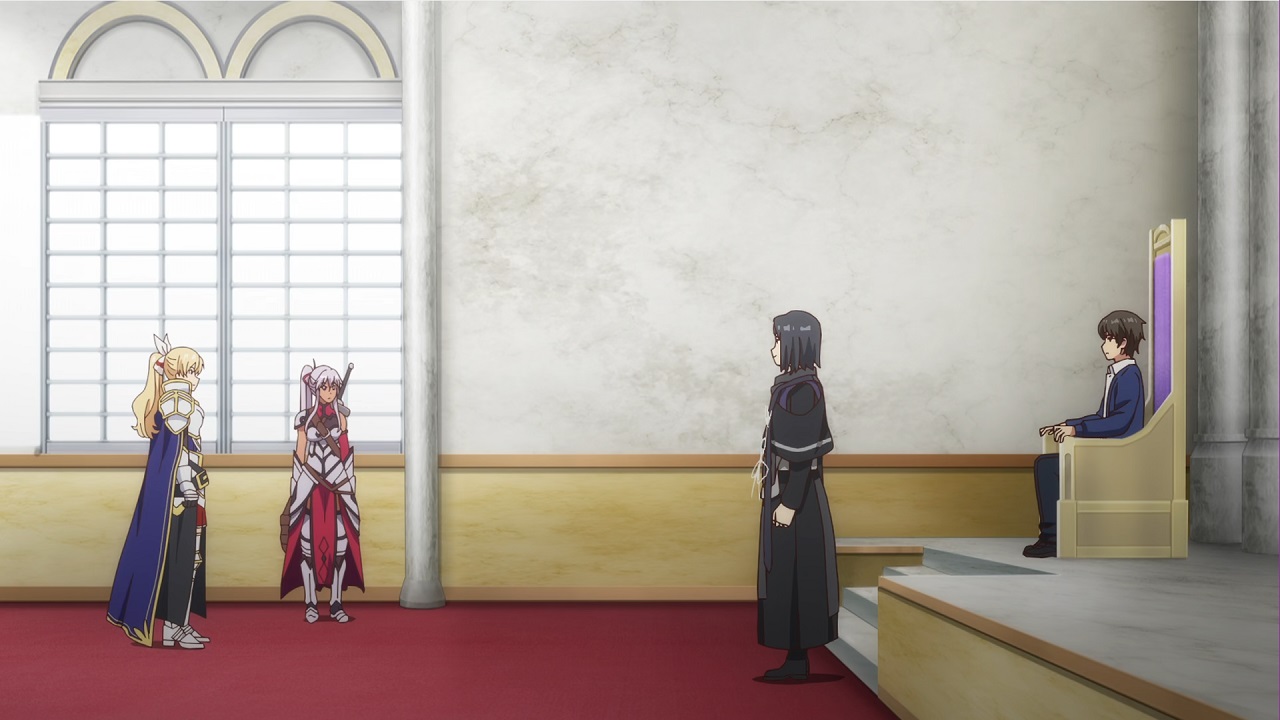
There are actual two series about ‘realistic’ royalty saving their respective kingdoms, both are far from good and this one is at the bottom of the list because the other one didn’t spent an entire episode in one sparsely furnished room negotiating a peace treaty. Int he first season last year an ordinary high school boy was summoned to a fantasy world to be the Hero against the inevitable Demon Lord, but was promptly made the king of the country that had summoned him when he turned out to be much smarter than its current king. He set about reforming it in supposedly realistic ways, but which did involve idols for some reason and had to deal with an invasion from a neighbouring country he handily beat. Now the empire — the most powerful of the human countries and shield against the demonic invasion — has turned up and demands he gives back the land he conquered. The negotiations about this form the plot of the first three episodes and are deadly dull. If you don’t enjoy people endlessly talking at each other about mindboggingly obvious problems, avoid.
Tensai Ouji no Akaji Kokka Saisei Jutsu
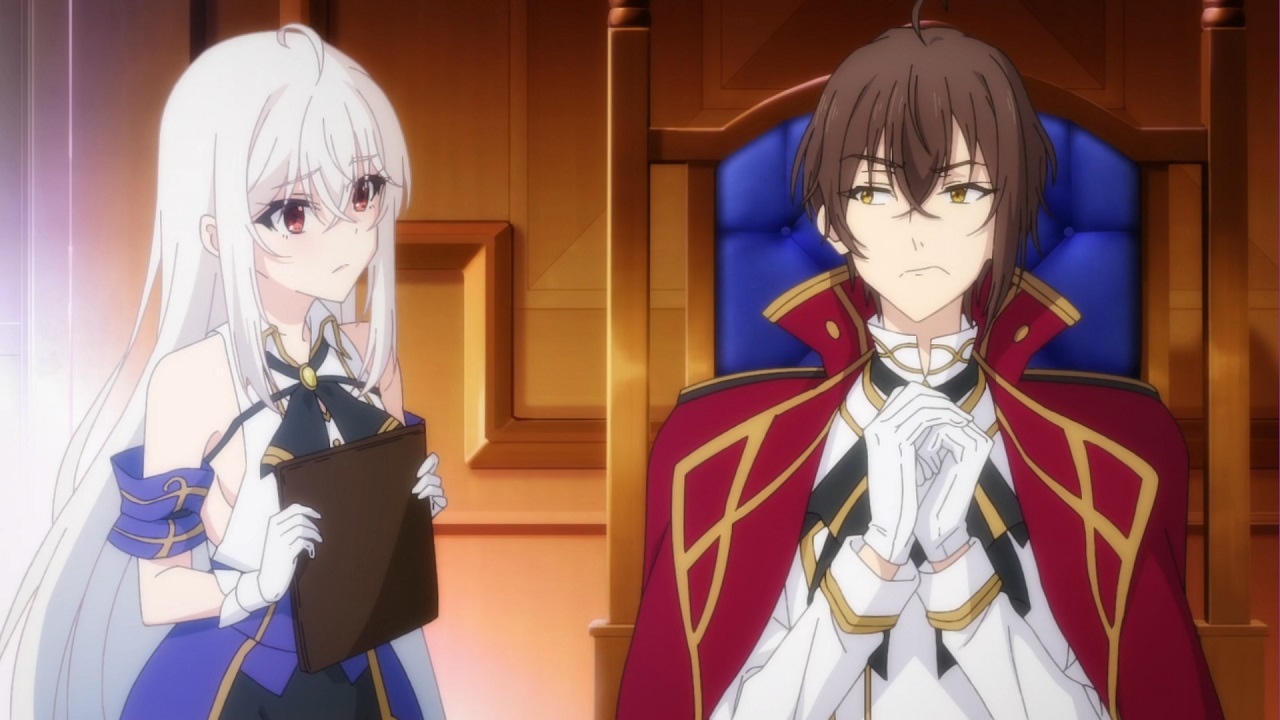
The realistic prince in this series is not a Japanese import, but rather the genius crown prince ruling in place of his ill father. He doesn’t want to be the prince regent, but would as soon sell the country off to the highest bidder had it not been so poor. Worse, it’s caught between a bunch of larger, predatory nations to its west and the Empire to its east, which wants to conquer the entire continent, with geography conveniently making it so that only through his country the Empire can attack the west. So as our hero schemes to sell off his kingdom, he has to first solve its problems to make sure it can be sold at the right price, while being careful to not make it too powerful so that he’s forced to keep ruling it. Of course his own genius continues to hinder him in his goal, as he just keeps winning. He’s not just an asshole however, as he seems to be doing it to protect his assistant, who suffers from prejudice against her race of gorgeous albinos.
Shikkaku Mon no Saikyou Kenja
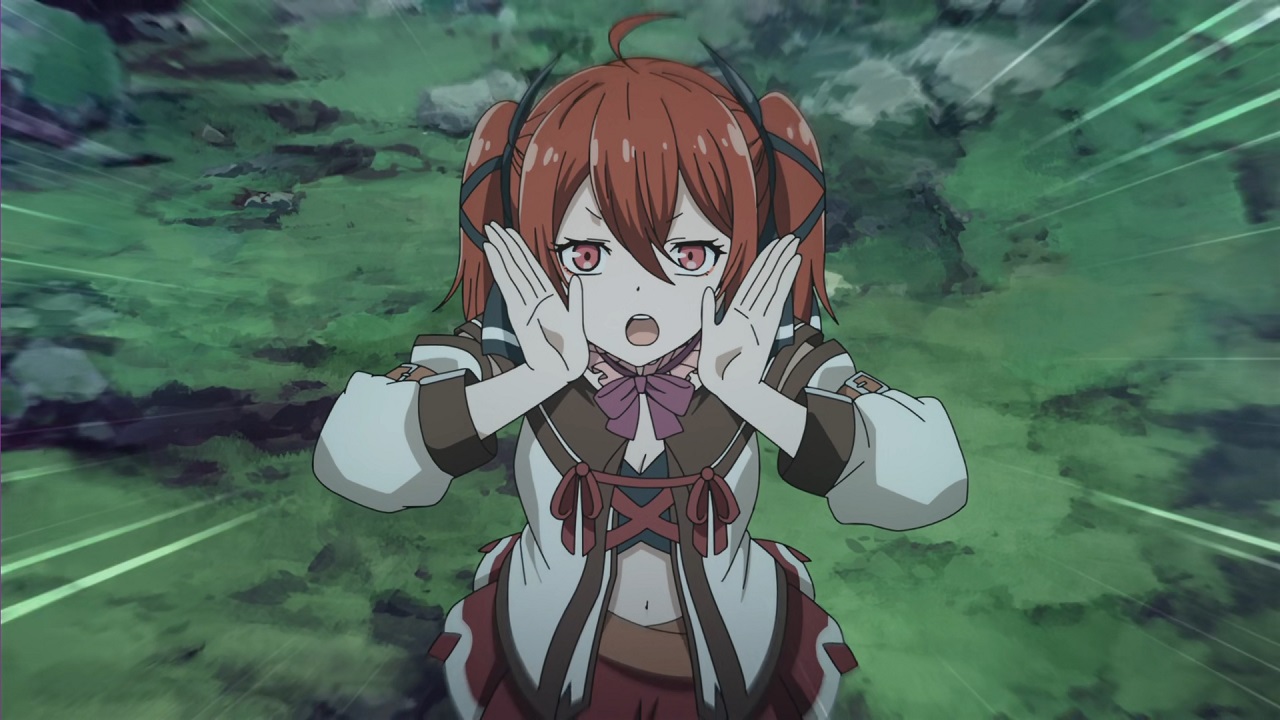
No royalty in this one, just the most powerful wizard of his age deliberately reincarnating himself in search of the ultimate magic, only to land in a future where that magic is seen as weak and the general level of civilisation is way below his own era. Whoops. I read the manga version of this and it’s hilarious how much the anime just drops or condensces to give it some momentum, entire arcs with dealt in an episode. This would be mindless popcorn at best but with the quality of anime, character design etc on display it barely reaches that. But I have high hopes for the dragon girl as shown above; she’s the best thing in the manga, all id no ego, punching and eating her way through the story in the background as the plot happens to other people.
Leadale no Daichi nite
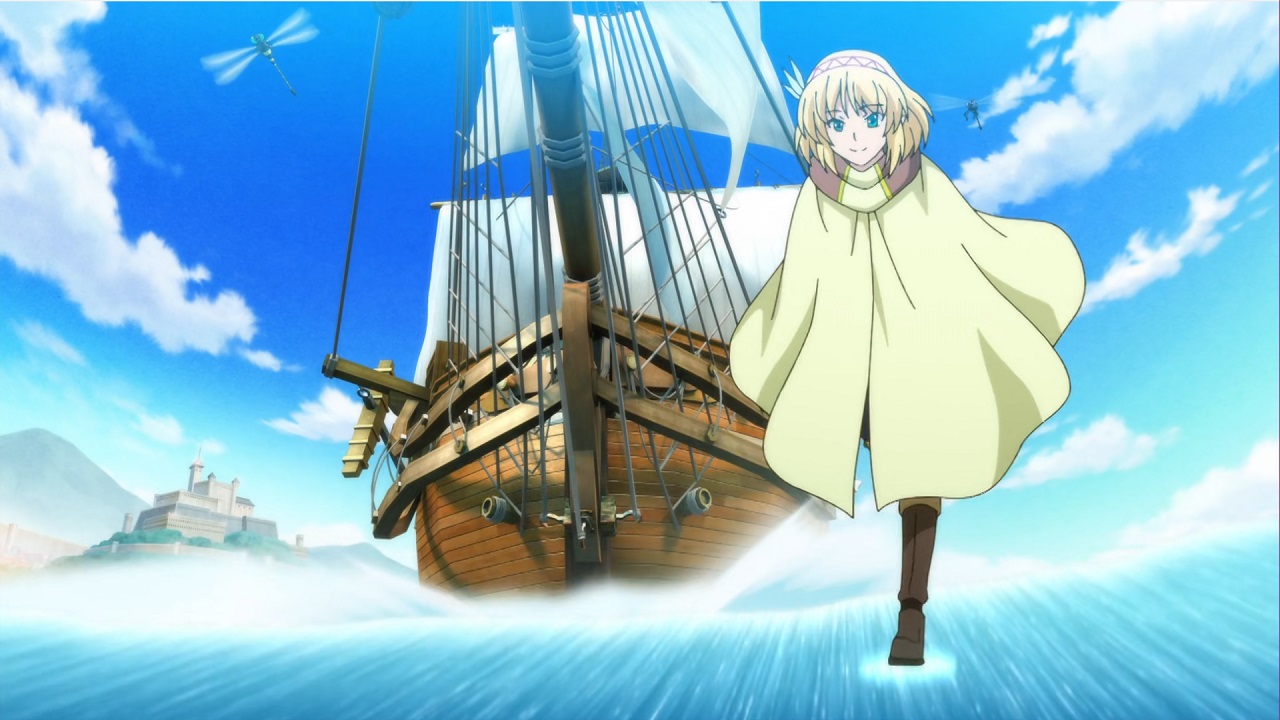
Confined to a hospital bed, not even able to eat or drink, our heroine’s sole pleasure is a VR fantasy game. One convenient power cut later and she’s inside the now real world of the game, but 200 years in its future. Vatly overpowered but looking like a teenage girl, she goes on a series of adventures as much as to enjoy her new freedom as to find out what happened. It’s all very pleasant and laidback. It tries to be funny at times but believes that you achieve this by having characters shout in shock at what she does, so it usually falls flat. What is hilarious is that the three most powerful figures in the kingdom turn out to be her adopted children. The show is mostly carried on the protagonist’s charms and is done competently enough to enhance that charm.
Kenja no Deshi o Nanoru Kenja
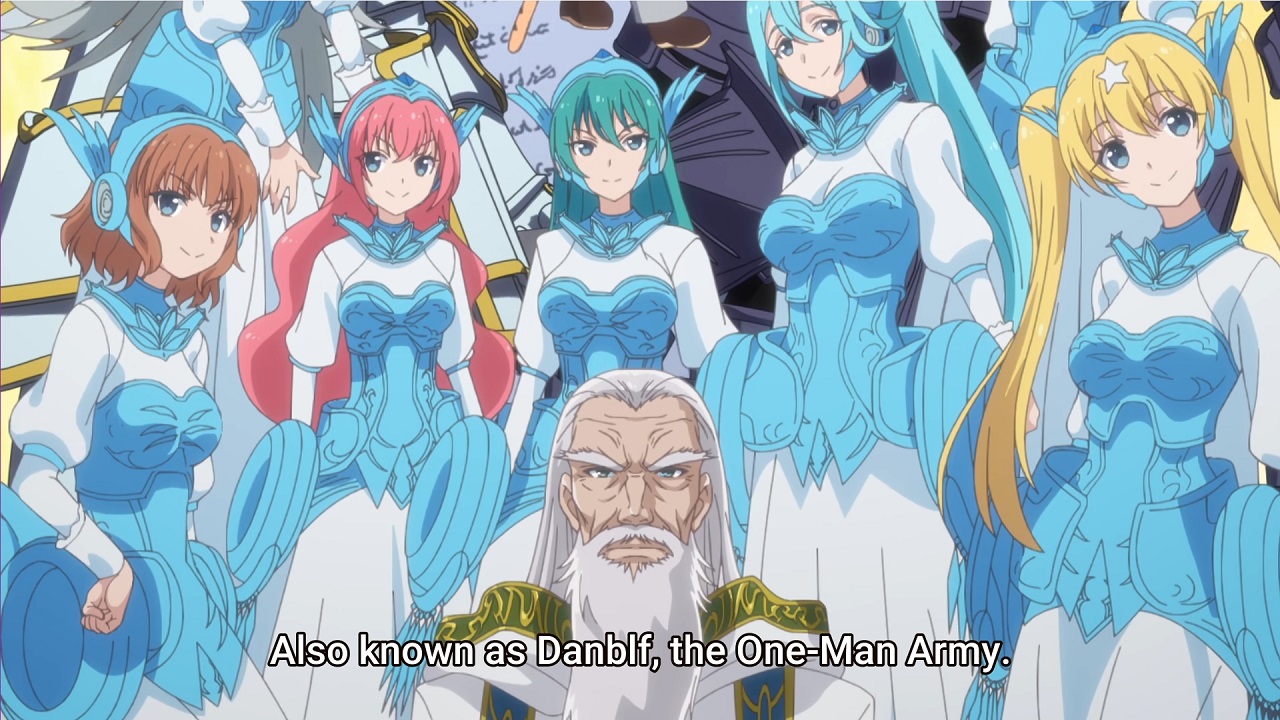
Yes, yet another by the numbers fantasy series, one in many ways worse than the ones we’ve already seen, but it’s this high on my list for a simple reason: it’s more interesting. Once again the protagonist is a player in a virtual reality fantasy game, who one day becomes trapped in the world of the game, now real. But whereas his character in game was a dignified old wizard, now he’s stuck in the body of a young girl, having used a gender changing item out of curiosity just before he got trapped. Also, it’s thirty years in the future. Reviews and viewers responses to this were brutal thanks to the bad CGI and animation, but for me it’s no worse than any of the other series we discussed. The quality of the animation is not the draw here: what’s keeping me interested is the plot and the characters.
Girls’ Frontline
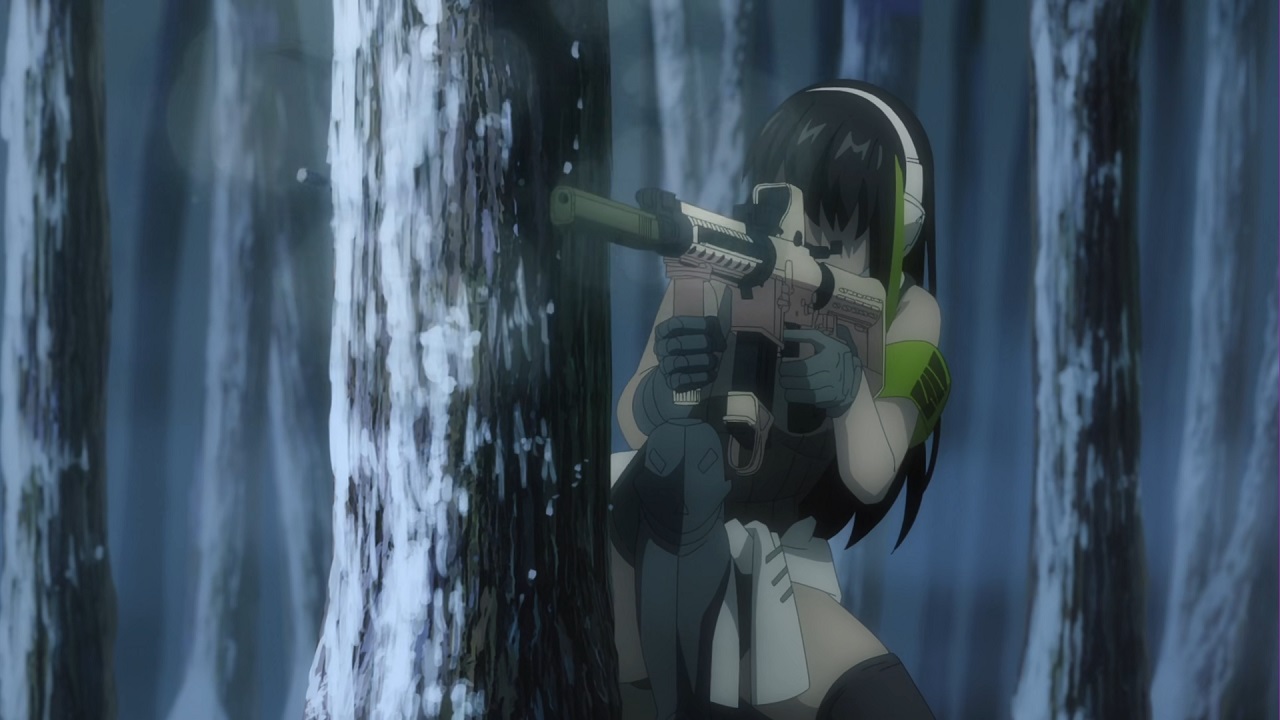
Based on the mobile gatcha game in which you collect assault guns, but they’re android girls, that was hugely popular in 2017-18? Not officially available in Europe at the time, so instead I started playing Azure Lane, which is sort of similar but with big titted WWII warships rather than big titted gun girls. Anyway, it’s after WWIII happened, there are good gun girls and bad ones who want to take over the world and therefore are depicted a bit more sexier. The colour palette is all a bit too brown equals realism for my tastes and the animation is a bit stiff, but it is a decent fun timewaster so far. Hopefully it can do a little bit more of character development as well.
Slow Loop
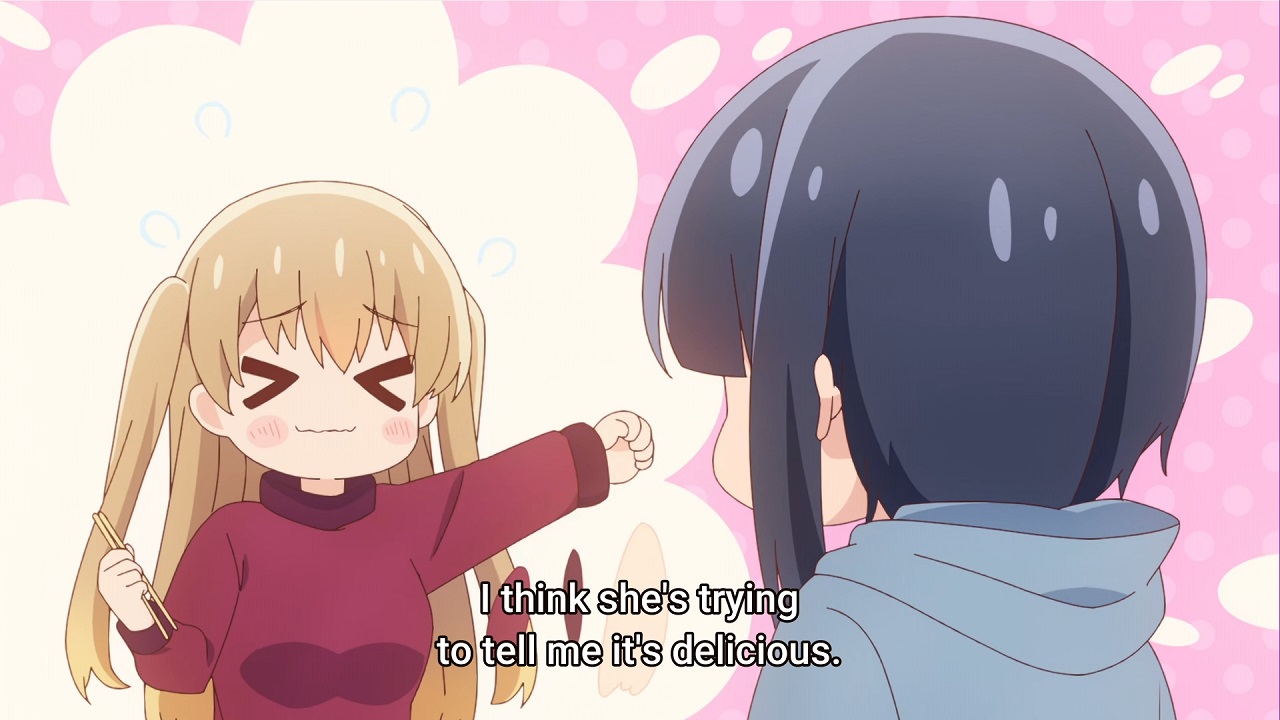
Hiyori likes to fly fish, just like she did with her father before he passed away. One day she meets a strange girl while doing so, who tells her that she’s moving to Hiyori’s town soon as her father is remarrying and had never seen the ocean. The girl, Koharu, gets interested in what Hiyori is doing and together they catch a fish and make sashami of it. Later that evening, wouldn’t you know it but it turns out Koharu’s father is remarrying Hiyori’s mother and they’re now sisters. At heart this is a typical Manga Time Kirara slice of moe series. What gives it a bit of a bite is the relationship between Hiyori and Koharu and the grief and sadness both have to deal with. This is the first series on the list I would actually recommend to people unqualified.
Ryman’s Club
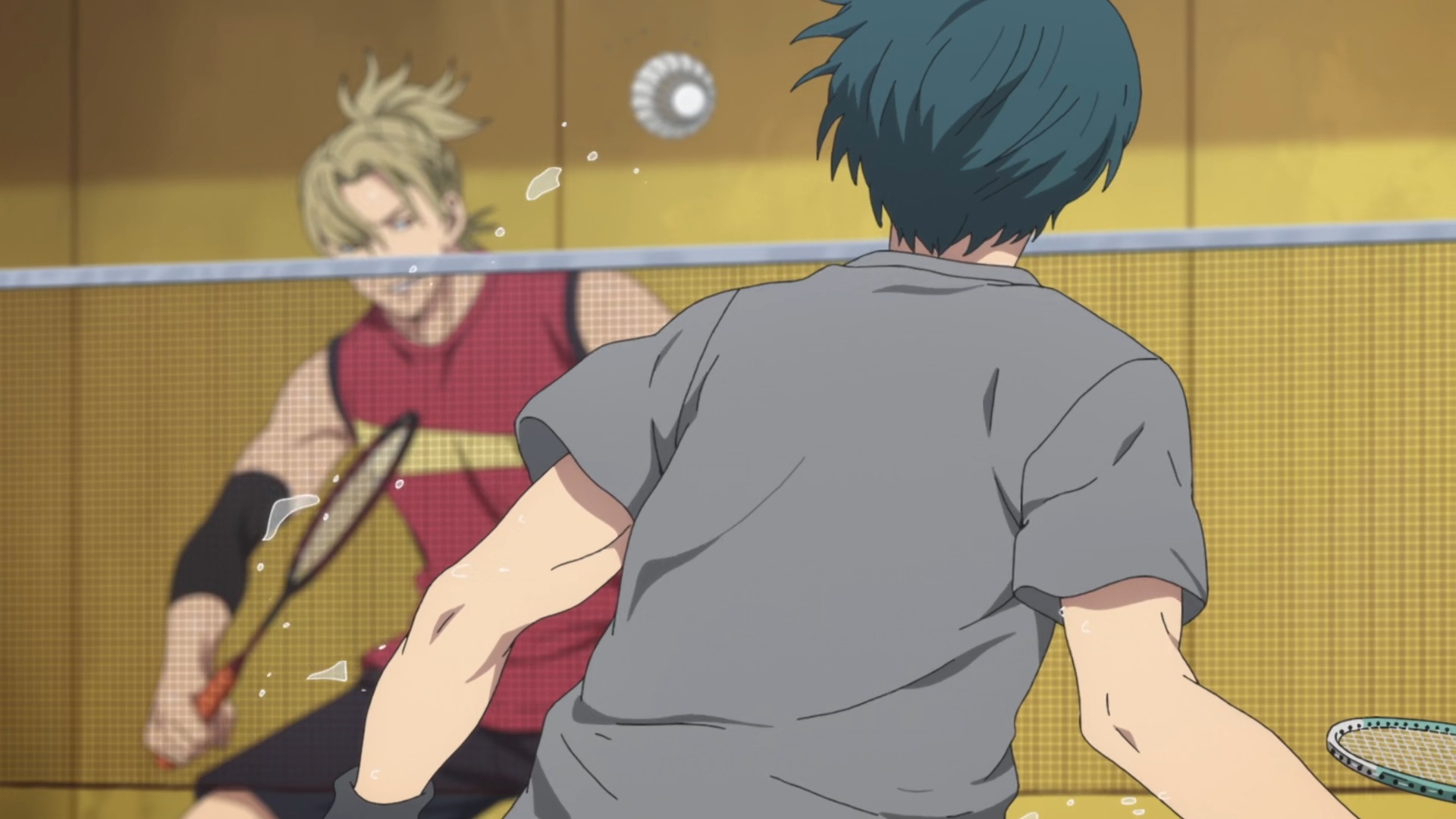
So apparantly there’s still a flourishing work sport culture in Japan, where companies field their own teams and even hire promising athletes for them, with badminton especially being dependent on this sort of sponsoring. Shiratori Mikoto is one such badminton player, a teenage prodigy until a bad experience traumatised him. Fired from the company he was playing for, he gets a new start at a much smaller soft drinks company, where he’s actually expected to pull his weight as a sales person as well. Worse, he’s expected to play doubles badminton and that’s just what triggers his trauma. So far this looks like your typical underdog one cour sports anime, made different by not being set in high school for a change. I like Mikoto and the small cast of his fellow players, all a bit central casting for the moment, but the interactions between them are fun. Animation is gorgeous too, especially in the actual badminton scenes. Even in screenshots you can see the sheer physicality of it.
Delicious Party Precure

February means a new Precure season and this time it’s themed around food and the happiness it brings. The bad guys interestingly are a troupe of phantom thieves, trying to capture the food fairies that make food taste good and store them in an evil recipe book. Our pink Precure lead is Nagomi Yui, one of those ultra athletic energetic types who helps out the football club but is far too interested in onigiri to join. The meet cute with her mascot character this time happens when she saves a baby from rolling down a hill in their carriage. There’s a non gender conforming helper character called Rosemary, a slightly obnoxious male childhood friend who judging from the opening may become a Tuxedo Mask type character and there will probably be three Precures, again judging from the opening. It all looks good but I’m always a bit wary of having boys in Precure series as it tend to be the worse ones (Happiness Charge).
Sasaki to Miyano
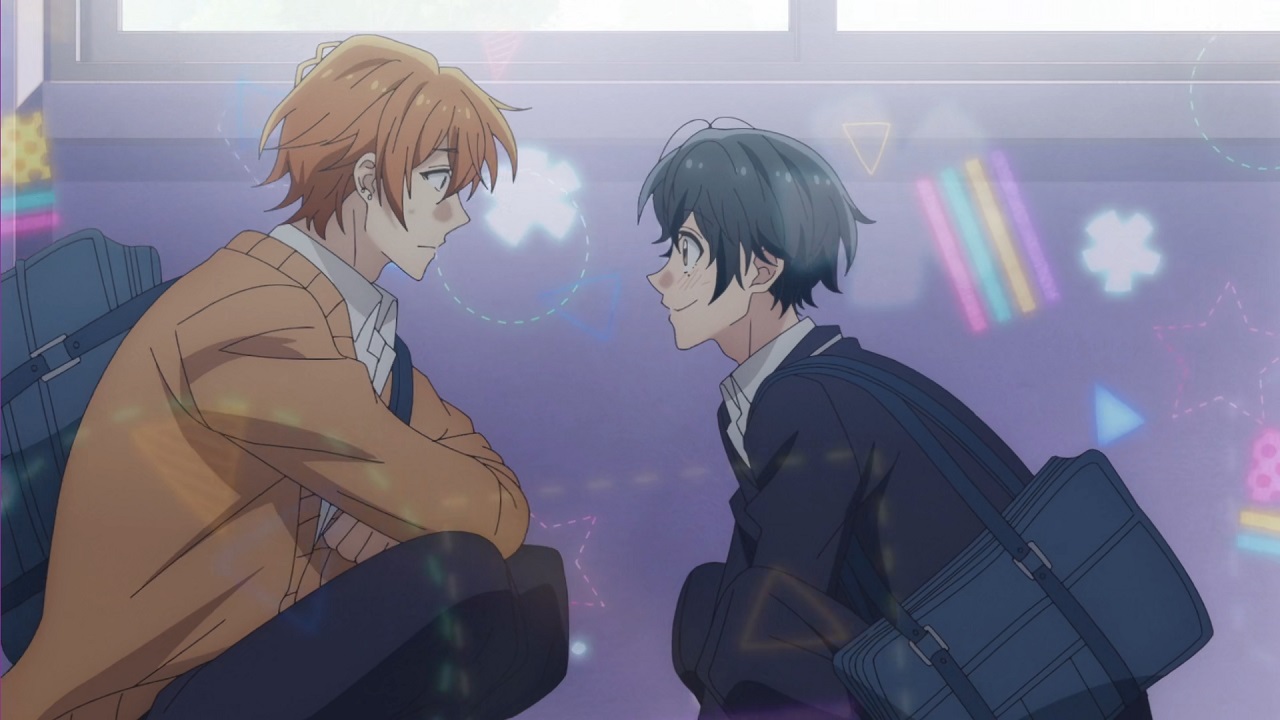
Best romance this season is a gay one between a short fudanshi and his tall, red haired yankee senpai. Fundanshi are boys who like to read Boys Love manga, which, well, are about boys who fall in love with other boys. It’s always complicated in how gay these sort of series actually are, with the usual excuse given that the protagonist isn’t actually gay, he just loves this particular person so much. Miyano, the fudanshi, likewise doesn’t believe he is gay, he just likes the genre. Sasaki, his senpai, doesn’t know anything but that something in Miyano attracts him and he wants to do something. This is the sort of romance where the building up to both people realising and admitting their attraction to each other, let alone getting together, may take the entire series. But it works here. Despite there being no open prejudice so far in the series, it makes sense that a teenage boy would struggle with the realisation that they may be gay. For the most part it’s Sasaki that’s the most accepting of his new found attraction to Miyano, while the latter is more in denial. Animation wise this is one of the better looking series this season, even if there’s little opportunity for it to go full out like the next series could.
Princess Connect! Re:Dive Season 2
Forget all the other fantasy series on this list. If you want to watch one generic gatcha game based fantasy series this season, watch this. Because this is the one with the Cygames money behind it. Just look at this scene from episode 4.
Princess Connect is a gatcha game in which you collect teams of princesses to do something, but the anime series is about the player character dropped into the world with amnesia, being in a guild with three girls, which specialises in finding new culinary discoveries. It’s all light hearted and fun and never takes itself too seriously, while still occasionally upping the threat levels when necessary. it’s such a relief each week to watch an anime in which every scene looks good and the animators can still top that already level of excellence when they want to. A very comfy sort of anime.
Akebi-chan no Sailor Fuku
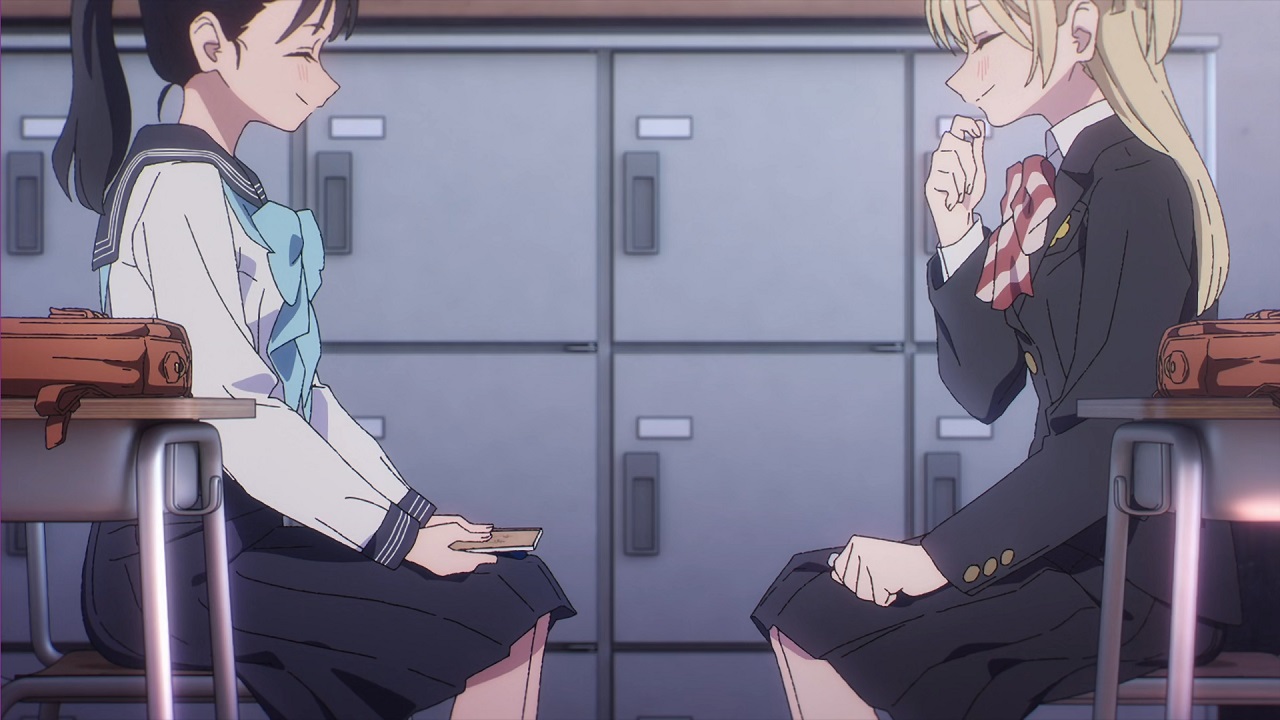
This on the other hand is a series which makes some people feel very uncomfortable as it is so fetishistic. Akebi-chan wants to go to the same middle school her mother went to, to be able to wear a sailor uniform as that’s what her favourite idol wears. She grew up in the sticks and in primary school was always the only person in her class. Turns out the school now uses blazers, but she’s still allowed to wear her sailor outfit. What is a heartwarming story of Akebi learning about and getting along with her class mates is somewhat undermined by the almost voyeuristic way it’s all been animated. There’s a lot of detail in how Akebi moves, how her clothes respond to that movement, how her hair behaves, etc., and some of that seem decidingly sexual in nature. It doesn’t bother me to be honest, it just doesn’t feel sexualised to me, both in intent or execution even though it is fetishistic in its obsession with movement and clothing. Your mileage may vary.
Sono Bisque Doll wa Koi o Suru
Finally, the best series this season, in which earnest, serious lover of traditional Japanese dolls Gojou gets involved with bubbly, outgoing gyaru Marin, when the latter asks him to help her designing and creating her cosplay outfit after she finds him using the sowing machines at school. I already knew and loved the manga this is based on, both for its story and its artwork, so was looking forward to this adaptation. It hasn’t disappointed me. The animation and character designs are on point and each week it’s a treat watching it. This is one of those romances that never quite becomes a romance, even as Gojou and Marin grow closer, but it’s enjoyable just seeing them grown in their friendship and character. Gojou especially starts off as a stiff dork and with Marin being so open and outgoing he keeps getting into those stock anime situations in which she’s half naked for innocent reasons like needing to be measured for her outfit and he’s panicking. It’s so refreshing to see him get tired of his reactions and attempting to overcome them. Everybody on this series seem to give 110% on it and that dedication is noticable in its quality. Even slower episodes, like episode 3, in which they go shopping for cosplay material, look stunning.